
Case Study
Urban Oasis Pools of Texas — Full Website Architecture & Conversion System Design
Role
Information Architecture, Page System Design, Conversion Funnel Strategy, Content Hierarchy, Trust Framework
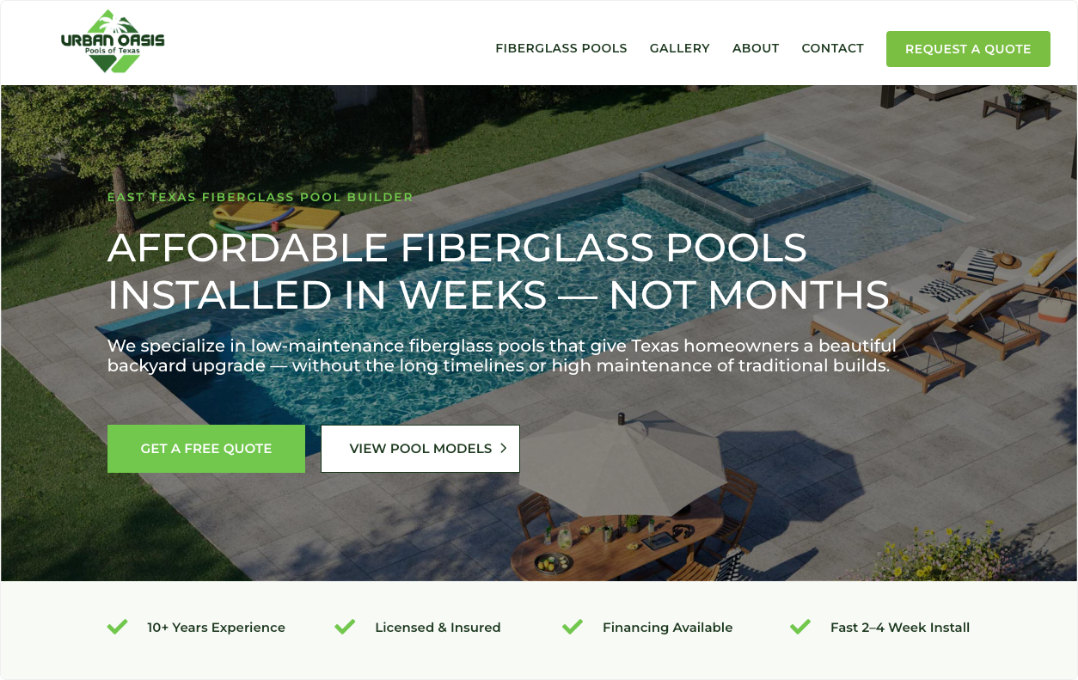
The Problem
- The company was launching a new fiberglass pool installation business and needed a website that quickly established credibility and explained the product clearly.
- Fiberglass pools are unfamiliar to many homeowners, so the site needed to educate visitors while also guiding them toward requesting a quote.
- Early drafts of the site lacked clear hierarchy between product information, pool models, and the installation process.
- The website needed to balance inspiration (pool imagery) with practical decision-making information like pool models, installation timeline, and financing options.
Constraints
Structure & Key Decisions
Site System Strategy
Instead of presenting all information at once, content was organized to guide users from early inspiration through evaluation and finally toward requesting a quote. Each stage introduces the right level of detail, reducing friction while building confidence in the installation process.
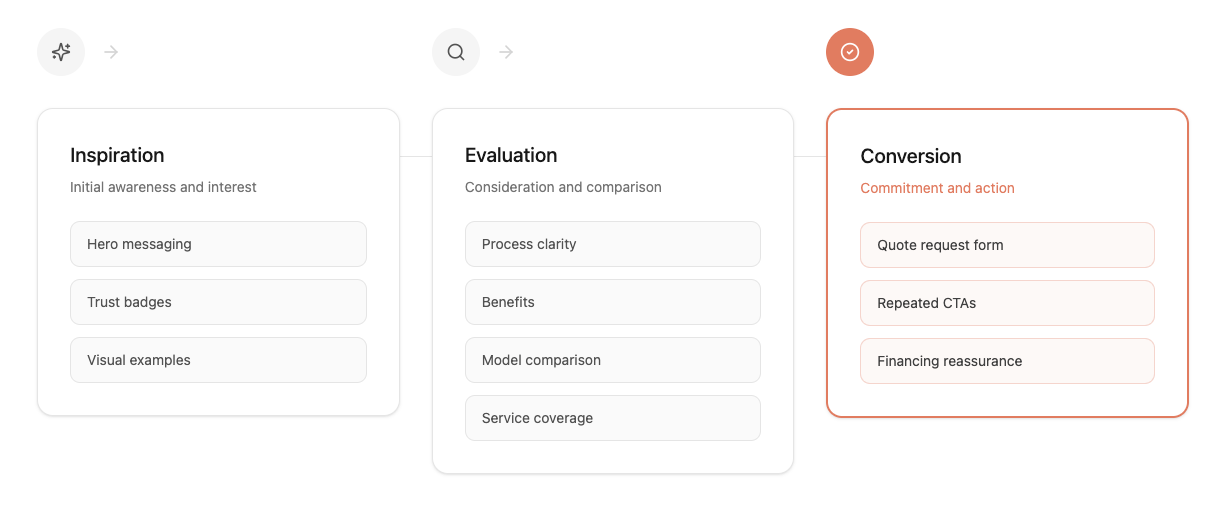
Progressive disclosure model designed to reduce friction and build trust through each stage of the decision-making process.
Visual reassurance and credibility signals appear early in the journey, followed by structured comparison content and installation process clarity. Conversion elements — including repeated quote prompts and financing reassurance — are introduced once sufficient confidence is established.
Wireframes

Hero & Primary Value Proposition
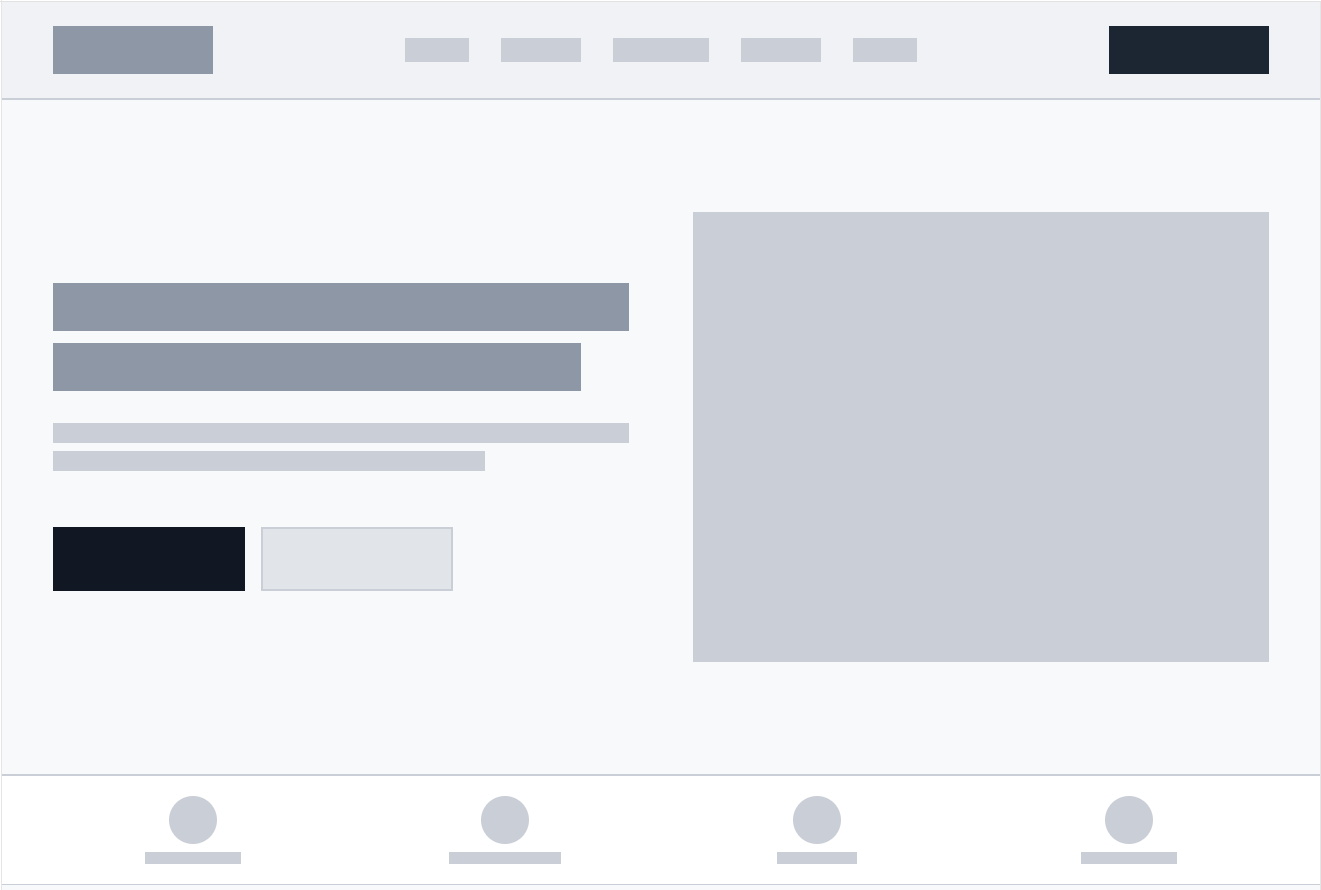
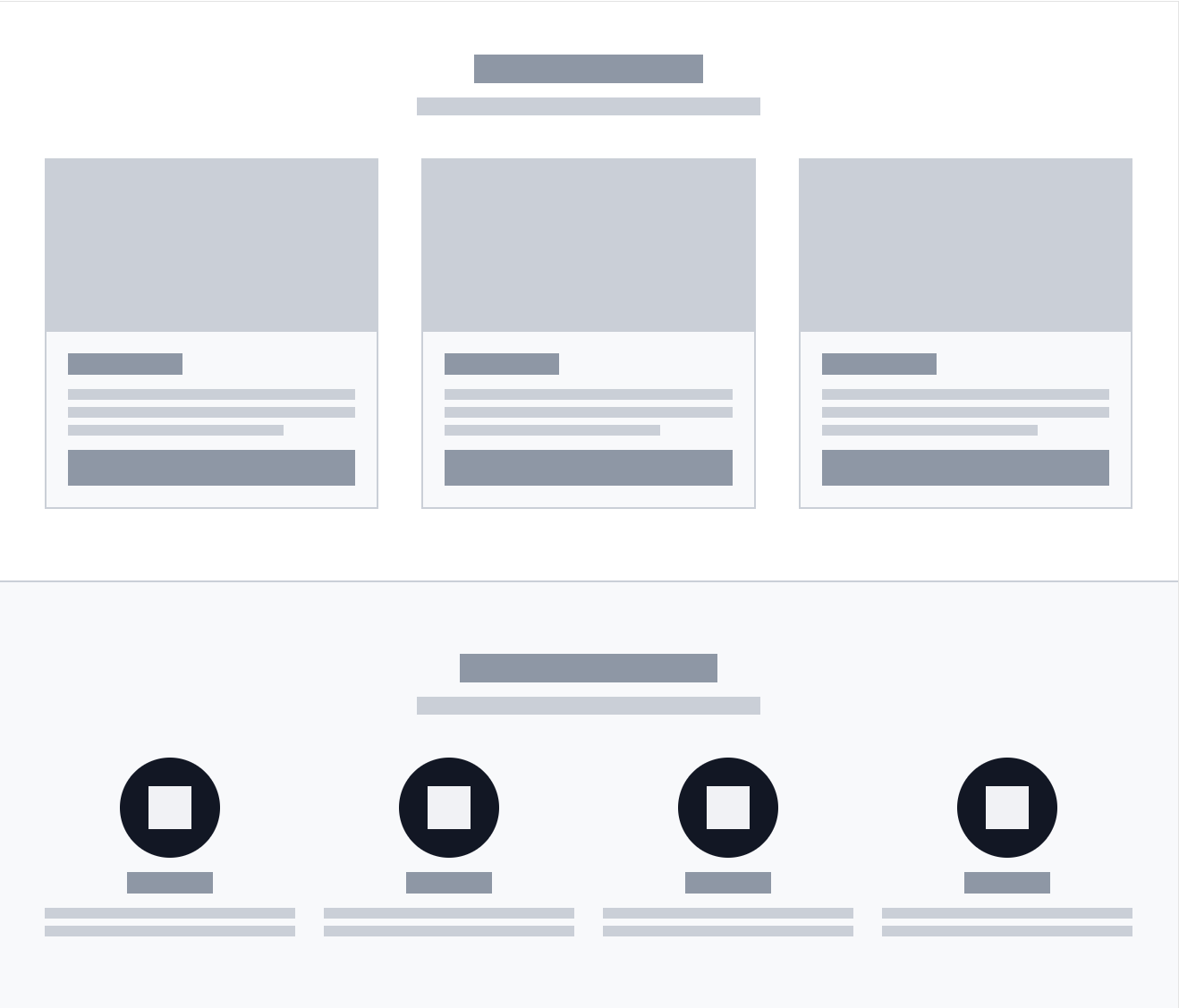
Early homepage wireframes created in Figma to establish content hierarchy and conversion flow before visual design.
Wireframes
Early homepage wireframes created in Figma to establish content hierarchy and conversion flow before visual design.
Hero & Primary Value Proposition
Early homepage wireframes created in Figma to establish content hierarchy and conversion flow before visual design.
Key Screens & Supporting Page Types
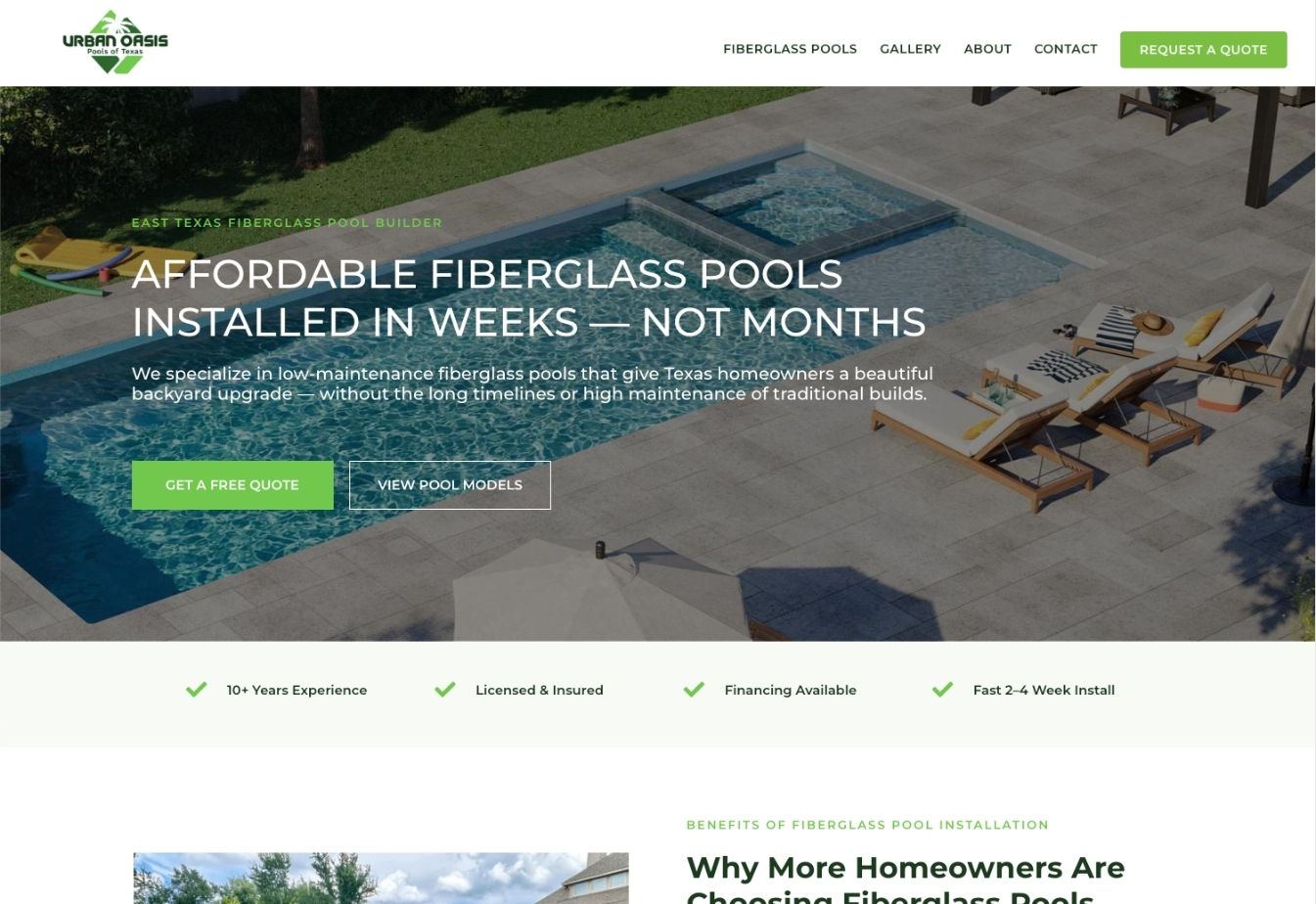
Homepage
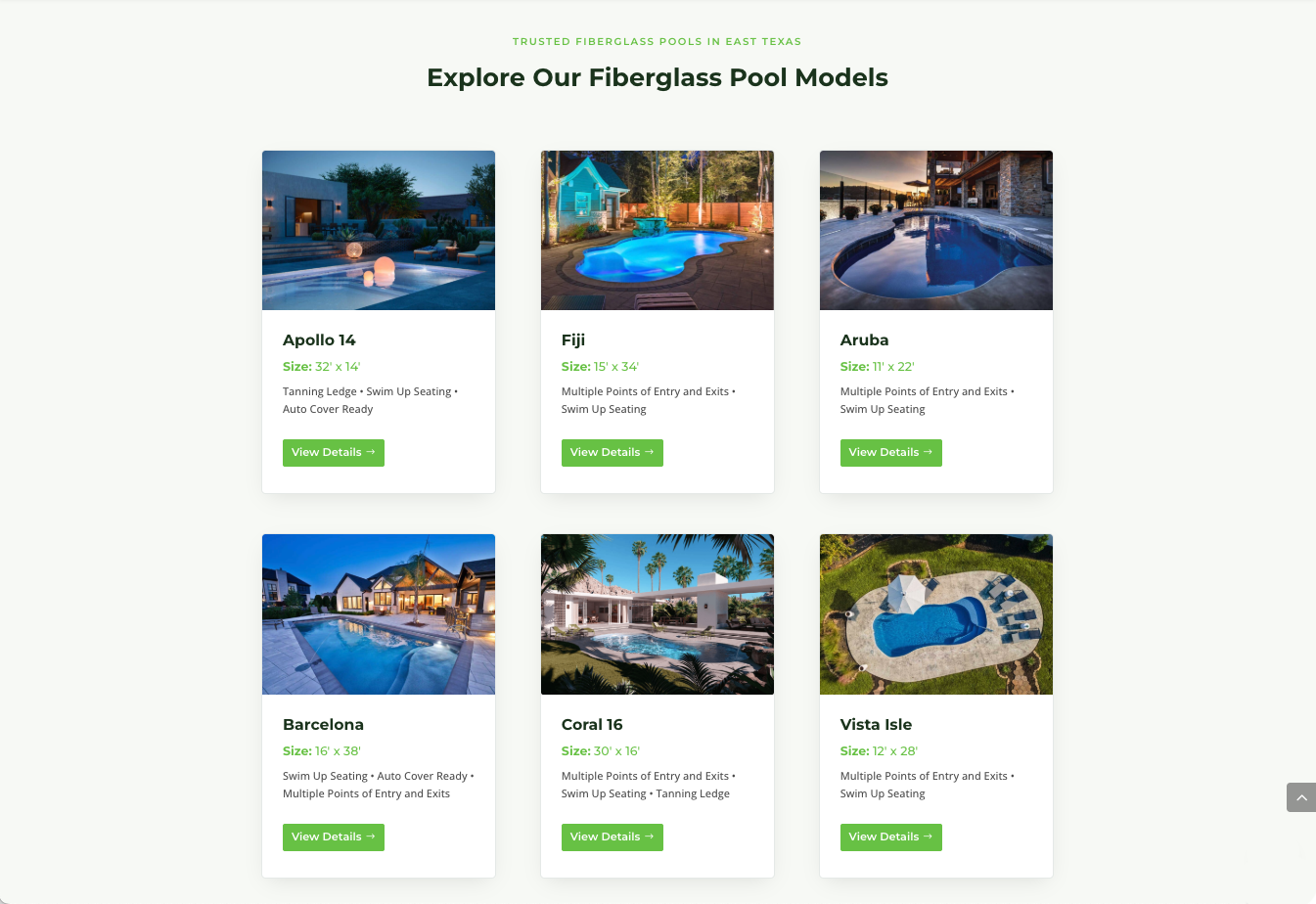
Pool Model Grid
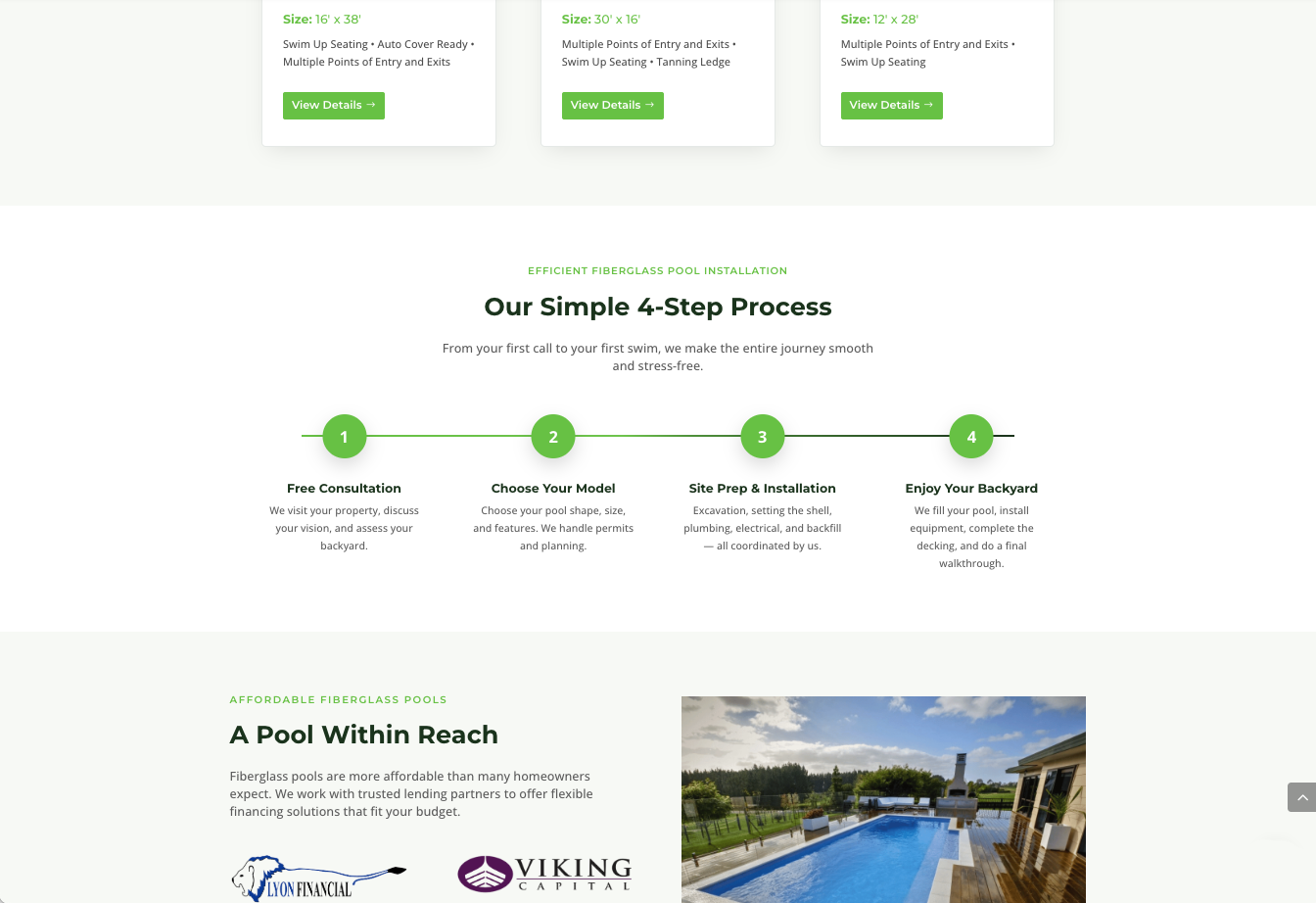
Installation Process
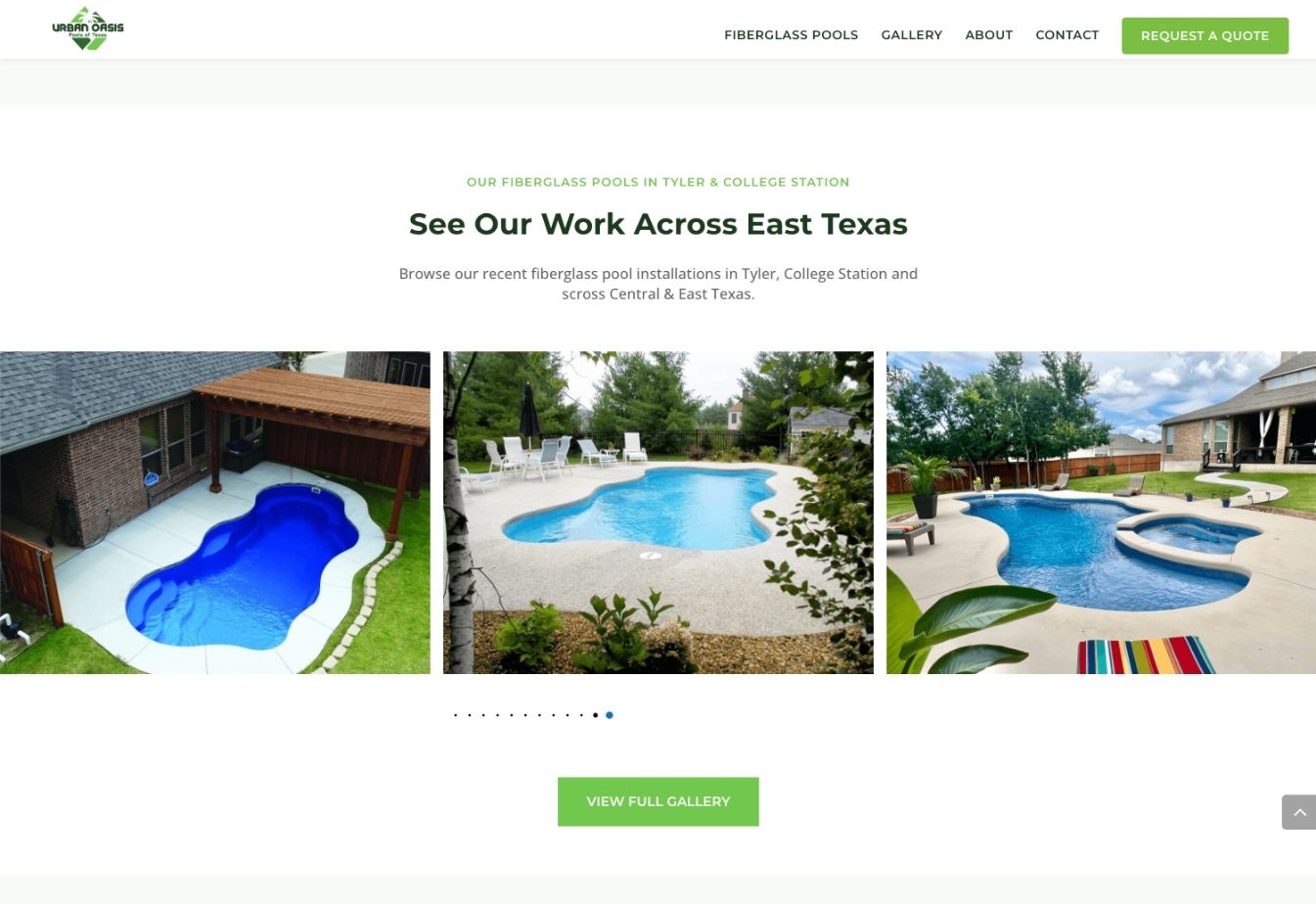
Gallery Section
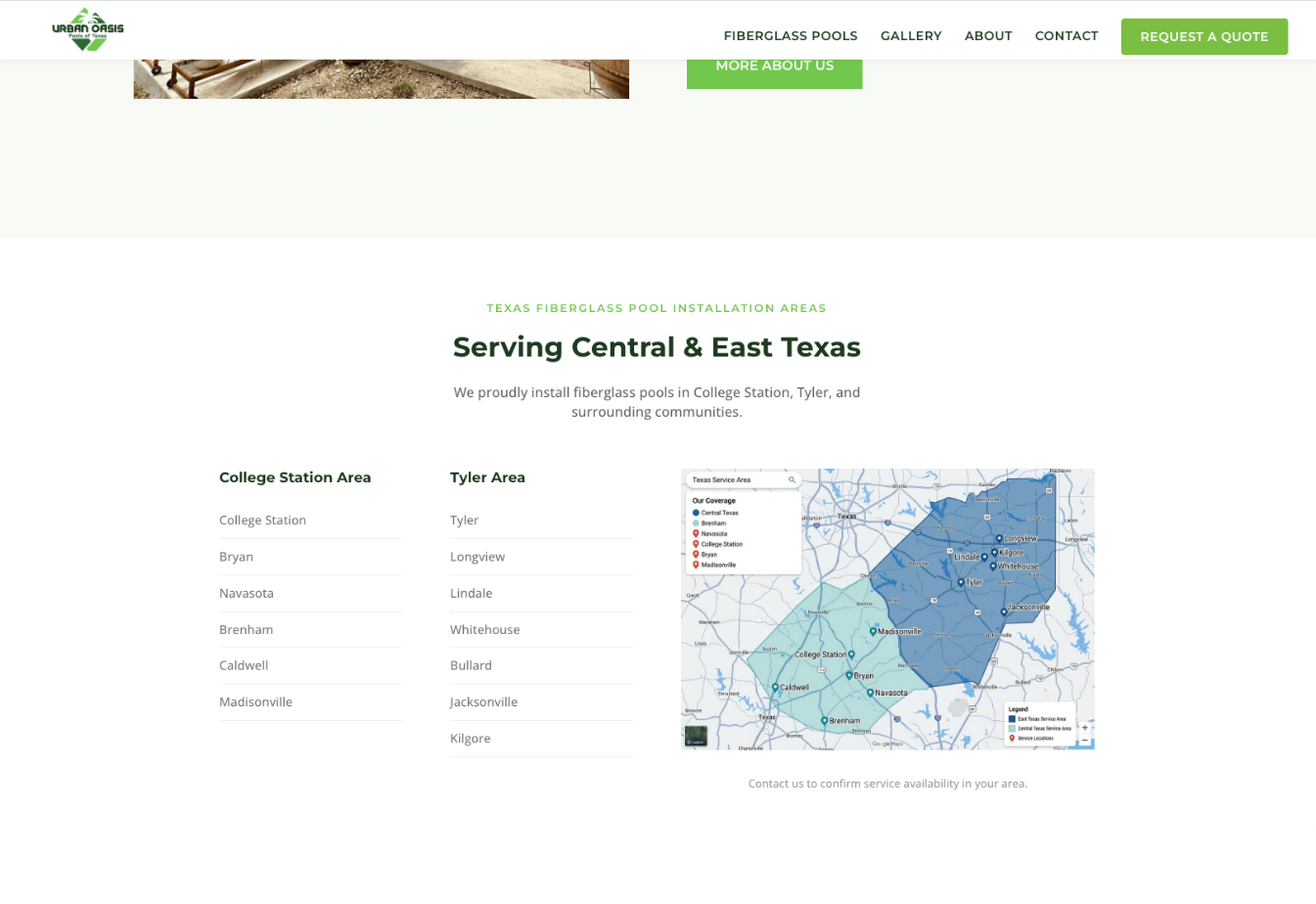
Service Area
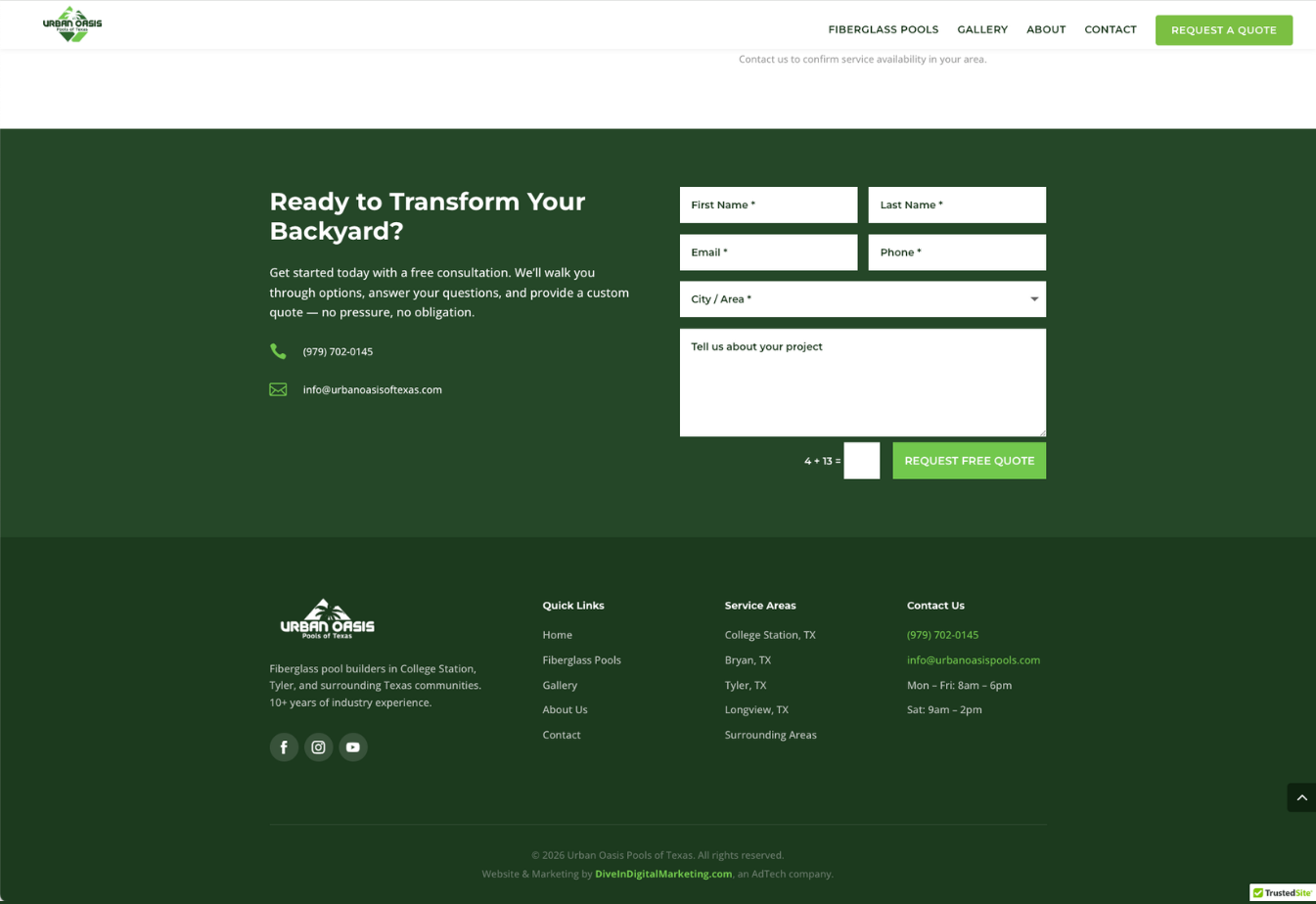
Quote Request Form
Outcome
The completed website establishes a clear, confidence-building decision path that guides homeowners from early inspiration through model evaluation and into quote inquiry.
- Visitors can quickly understand fiberglass pool benefits, installation steps, and service coverage without navigating disconnected pages or dense technical content.
- Structured model exploration and visual galleries support comparison and help homeowners envision realistic backyard outcomes.
- Repeated calls-to-action — including both quote forms and direct phone contact — create multiple low-friction entry points for inquiry based on user preference.
- The modular page system enables the business to support marketing campaigns, expand educational content, and scale service-area visibility while maintaining a consistent conversion framework.
Reflection
This project reinforced the importance of structuring service-based websites around real customer decision journeys rather than simply presenting information.
Homeowners researching fiberglass pools are typically balancing inspiration, cost considerations, installation logistics, and long-term value. Designing the site as a connected system of pages (including visual exploration, educational process content, geographic service validation, and clearly positioned quote opportunities) helped create a more natural progression from early interest to inquiry.
The modular Divi build also established a scalable foundation for future growth. New pool models, project galleries, and educational content can be added without disrupting the overall structure or user flow.
This project strengthened my approach to conversion-focused architecture: combining clarity, trust signals, and progressive disclosure to support confident decision-making in higher-commitment purchases.
Next Project
Red Zone Games
Like what you see?